
The Power of Personalization: Beyond ‘Hello [First Name]’
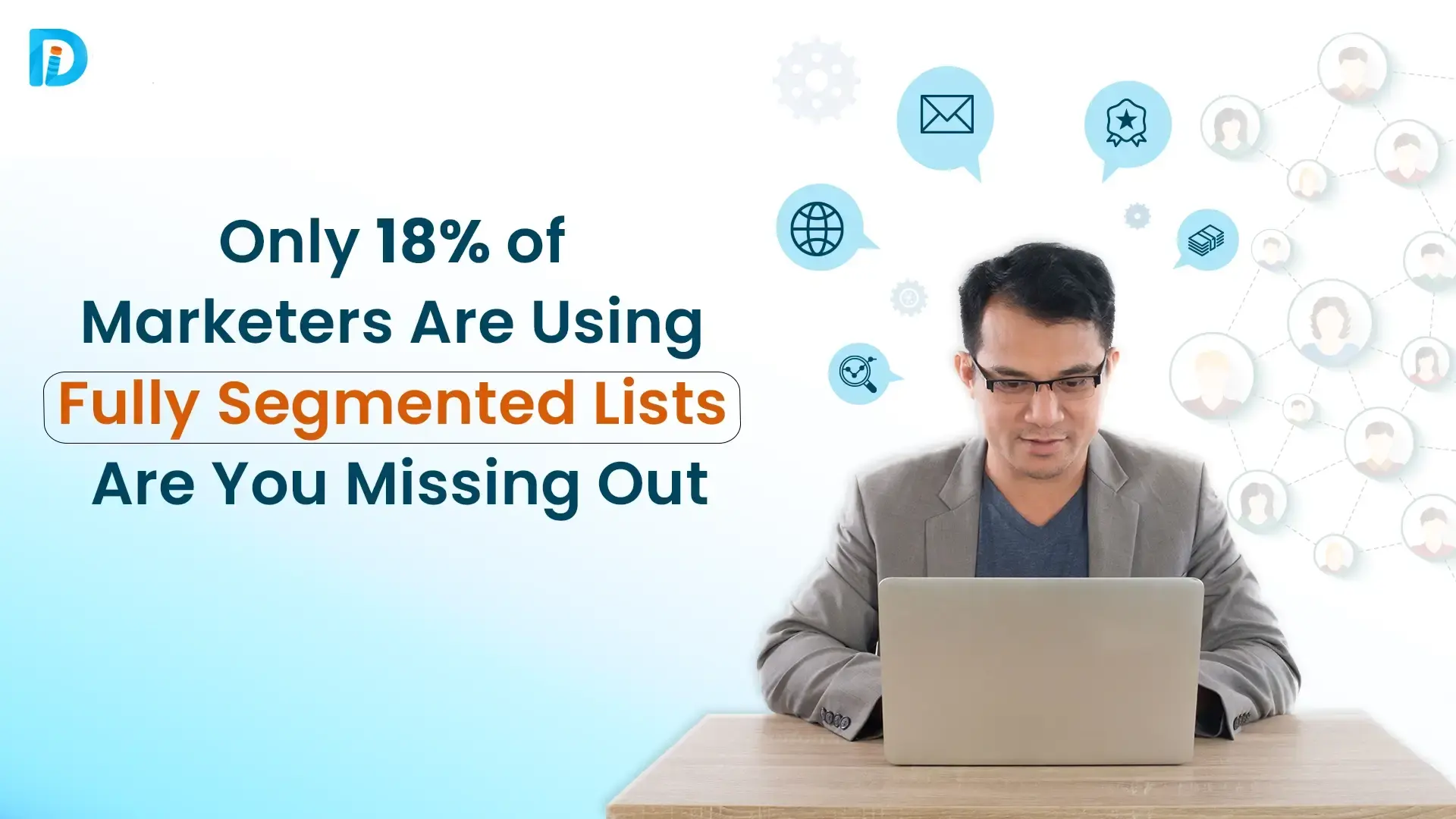
Breaking up your email list into smaller, more personalized groups, based on common traits, is called segmentation. Segmentation can be based on demographics, geography, past purchases, levels of engagement, and even patterns of behaviour on your website. The main goal is to deliver content that’s truly relevant and beneficial to each recipient. It helps in going beyond the basic customization of just adding a first name to an email. For example, consider the difference between an email that says, “We noticed you recently viewed our going boots,” and one that says, “20% off on all products.” Not only does the latter one sound more engaging, but it has a much higher conversion rate. This is the power of segmentation.Why Marketers Are Lagging Behind
Despite the benefits of email list segmentation, many marketers are still lagging! Why? The reasons are simpler than you think!- First & foremost reason is that marketers find the initial setup daunting. According to them, it requires diving deep into data, a fancy marketing platform, and a lot of work to analyse everything. This can feel overwhelming, especially for small teams or individuals. They might think they don’t have the time, the budget, or the expertise to do it right.
- The second reason is, they have a thinking pattern that segmentation is only for big companies with huge email lists. Usually, they have a dominant thought that “My audience is already small, so let’s just send everyone the same email.” This thinking prevents them from experiencing the “value” in connecting with even a small group on a more personal level.
The Tangible Benefits of Segmentation
Segmentation is backed by the numbers. Several studies have shown that targeted campaigns can increase revenue by 760%. Other benefits include:- Higher Open Rates: Subscribers are more likely to open emails when they’re about topics of interest to them.
- Increased Click-Through Rates (CTRs): Relevant information motivates users to act, so they’re more likely to click on your links.
- Lower Unsubscribe Rates: Sending useful content reduces the chance of subscribers feeling spammed and cancelling themselves from your list.
- Improved Customer Loyalty: Customers feel valued and understood when you communicate with them personally, so they bond more with your business.
- Better ROI: You get the most out of your email marketing spend by sending the right message to the right people.
Segmentation in Action: A Tale of Two Lists
Let’s look at two real-life examples to illustrate the power of segmentation.1. Targeting an HR Email List
For companies offering corporate training, benefits for employees, or HR software products or services, an HR email list is a goldmine. This list would get a generic email blast, promoting a wide range of products with little chance of connecting with anyone on the list. But a separate approach would work much better. This list could be further segmented by industry (tech, healthcare, finance), company size (small, medium, enterprise), or even the HR professional’s role (generalist, benefits manager, recruiter). You could potentially send an email campaign to HR managers at small businesses with a focus on affordable and easy-to-implement HR software solutions. This campaign could include case studies from similar companies and highlight features that are particularly useful for smaller teams, such as automated payroll and simple onboarding tools. The content would be super relevant, highly engaging, and would lead to quick conversion.2. Targeting a Small Business Owner's Email List
An email list of small business owners can be treated in a similar way. Small business owners are diverse, and their needs vary. The challenges faced by business owners in the retail and service sectors are very different. After sending a generic email with “marketing tips for small businesses,” you could segment the list into several categories based on the type of business. You could send retail owners an email with tips on inventory control, seasonal specials, and e-commerce. Owners of service-based businesses could get an email on lead-generating methods, client management software, and creating a professional web presence. This level of personalization shows you know their specific problems and are offering solutions that are tailored to them, which builds trust and positions your business as an informed and useful partner.How to Get Started with Segmentation?
Here’s a simple step-by-step guide to get you started if you’re ready to join the 18% of marketers who are experiencing amazing results:- Define Your Goals: With segmentation, what do you want to achieve? Do you want to reduce business loss, increase engagement, or sell a specific product?
- Choose Your Segments: Start with simple, data-driven segments. Common segments include:
- Demographics: Age, gender, location.
- Behavioural Data: Purchase history, website visits, email engagement.
- Customer Journey: New subscribers, active customers, and lapsed customers.
- Lead Score: Segmenting based on how likely a lead is to convert.
- Collect the Right Data: To collect the data you need, use surveys, sign-up forms, and the tracking tools in your email marketing platform.
- Create Targeted Content: Create email campaigns that address each segment’s needs and interests.
- Test and Refine: A/B test different emails, track your campaign, and keep improving your content and segmentation based on the results.
The Foundation: Understanding the “Why” Beyond the “What”
There’s more to email segmentation than just splitting a list. Realizing your subscribers are not an even number is the key! Every individual has a unique relationship with your brand, and they all have different needs, interests, and stages of the customer journey. The “why” comes from the basic marketing principle of relevance. Three things are achieved by providing timely, relevant, and personalized content:- Build Trust and Authority: Trust is built when a subscriber receives an email that seems to have been written for them. It shows you pay attention to detail and know their specific needs.
- Enhance the Customer Experience: A good email experience adds to a good brand experience in general. This is especially true in a time when consumers are bombarded with impersonal, generic marketing messages.
- Optimize for Action: An email that generates results is relevant. A segmented message is much more likely to get the desired action, whether the goal is to promote a download, drive a buy, or get a review.
Deeper Dive into Segmentation Strategies
A more advanced method shows the ability to combine multiple factors and leverage dynamic data, whereas a basic article would cover a few types of segmentation.1. Demographic and Geographic Segmentation (The Basics)
- Demographics: Job title, education, income level, age, and gender. This is the most basic type of segmentation. Job title segmentation is essential for a B2B company. Employers, benefits leaders, and HR managers are further sub-segmented from an HR email list, and each would be interested in some aspect of your offering.
- Geographics: Environment, time zone, and location are useful for companies with physical locations or promoting local deals and events. For example, a company might offer promotions in colder regions for winter clothing.
2. Behavioural Segmentation (The Most Powerful)
The magic happens here! Behavioural data includes not just a subscriber’s identity but their past and current actions.- Purchase History & Past Purchases: Provide post-purchase care instructions or suggest related products.
- Purchase Frequency: Give regular, loyal customers a “VIP” list and special discounts as a thank you.
- Monetary Value (RFM analysis): Divide the data by monetary amount, frequency, and recency. This helps you determine which of your customers are most likely to churn.
- Website Activity: Track the products users view, the pages they visit, and the time they spend on your website. Sending customized follow-up emails, such as “We noticed you were looking at X” campaign, is only possible through tracking website activity.
- Email Engagement: This is an important but often neglected section. You can highly engage your audience by contacting them through personalised Email lists that you can buy from email vendors.
- Highly Engaged: People who regularly read and click on your emails promote your brand. Give them early access or special treatments.
3. Psychographic and Preference-Based Segmentation
This goes even further, focusing on the subscriber’s declared interests, lifestyle, values, and beliefs.- Interests and Preferences: Your website’s basic preference centre allows subscribers to choose for themselves what they want to receive. This can be “new arrivals”, “sale items”, or “blog updates” for an online retailer. For publishers, it can be “technology”, “business news”, or “lifestyle”.
- Self-Segmentation: Interviews and quizzes can be used to collect this data. For example, a brand that focuses on the business would ask “What are your biggest business challenges?” and segment the answers into “marketing”, “sales”, or “operations”.
4. Lifecycle Stage Segmentation (The Customer Journey)
The goal of this method is to send the right message at the right time, based on the subscriber’s relationship status with you.- New Subscribers: Send them a series of introduction emails that highlight your best content or products, tell your story, and establish your brand. This is where you set the tone of the relationship.
- Leads: Those who have not made a purchase yet have downloaded a resource. Send them content (such as case studies and testimonials) that solves their problems and moves them towards conversion. This is very useful for small business owners email lists or HR email lists.
- First-Time Customers: An important moment to build loyalty. Offer them a thank you card, post-purchase care emails, and discounts on their next purchase.
- Loyal Customers: To greet loyal customers, give them something for their business. Give them a special discount on their anniversary, a loyalty program, or access to exclusive previews.
- Lapsed Customers: Make a strong offer to get them back or send them a survey to find out why they left.
Start your free trial today!
Conclusion
The power of segmentation is no longer a strategic choice in a crowded marketing environment; rather, it is a necessity for success. Even if 82% of marketers continue to send generic, one-size-fits-all emails, the 18% who have used deep segmentation are seeing improvements in customer relationships, engagement, and conversions. Segmentation is much more than just simple numbers. It uses a complex strategy that includes psychology (interests and preferences), behavioural data (buying history, website activity), and lifecycle stage (new subscriber vs. loyal client). The segmentation strategy not only maximizes the effectiveness of your campaign but also develops a closer, more meaningful relationship with your target audience. Start segmenting your lists now to gain a competitive edge and see how your email marketing efforts take off!FAQ
What is a fully segmented list, and why is it important?
A fully segmented list divides subscribers into smaller groups based on factors like demographics, behavioural data, customer journey, preferences, lead score, and more. This ensures that every email is relevant, personalized, and actionable, resulting in increased open rates, click-through rates, and conversions compared to generic campaigns.
How does segmentation improve ROI in Email Marketing?
Segmented campaigns reduce wasted outreach by targeting the right audience with the right message. By sending relevant content, marketers see higher engagement, lower subscription rates, and faster conversions, resulting in higher ROI.
How do fully segmented lists differ from a generic or manually segmented list?
Generic list sends the same message to all subscribers, while fully segmented lists often lack accuracy and insights. Fully segmented lists from professional vendors are verified, up-to-date, and strategically organized, ensuring high deliverability and engagement.
Why should marketers consider purchasing fully segmented lists?
Fully segmented lists provide pre-verified, highly compliant, targeted, and segmented contact data, saving both marketers’ time and effort. This list allows precision targeting, better deliverability, and actionable insights, which are vital for successful marketing campaigns.
How do lifecycle stages influence segmentation strategy?
Lifecycle segmentation targets subscribers’ buyer journey with your brand, such as-
- New Subscribers: Welcoming and onboarding emails
- Leads: Case studies, testimonials, and conversion-focused content
- Loyal Customers: Exclusive offers and loyalty programs
- Lapsed Customers: Re-engagement mails
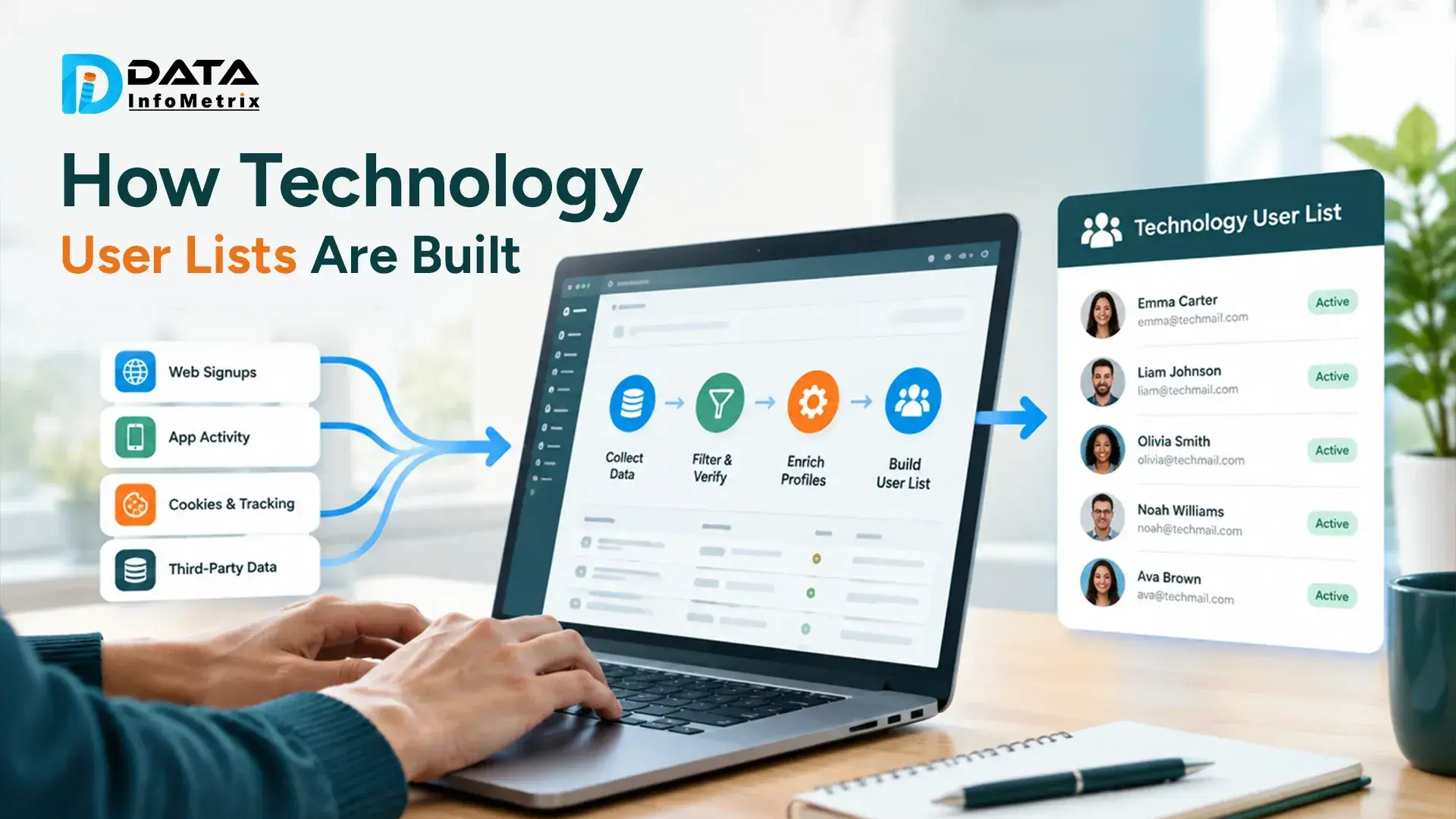
The Shift to Technographic & Installed Base Intelligence
In today's B2B marketing environment, broad unsegmented email outreach yields low deliverability and high opt-out rates. Modern revenue leaders build targeted campaigns by analyzing exact software deployment footprints—mapping C-Suite budget approvers, IT leads, and system architects.